GPRS/4G Module

Choosing the Right GPRS/4G Module for Industrial Automation Projects

Introduction

In modern industrial automation, connectivity is no longer optional. Machines, sensors, and control systems must communicate reliably to ensure efficiency, safety, and uptime. This is where a GPRS 4G module for industrial automation plays a critical role, enabling remote monitoring, data exchange, and real-time control across distributed industrial environments. 

From factories and power plants to utilities and infrastructure projects, wireless communication has become the backbone of automation. Choosing the right GPRS or 4G module directly impacts system reliability, operational continuity, and long-term scalability. A well-matched module ensures stable data transmission today while remaining adaptable to future industrial IoT demands. 

This guide breaks down what to look for when selecting a GPRS/4G module, how GPRS and 4G differ in industrial contexts, and why informed selection is a strategic decision rather than a simple hardware choice. 

Understanding GPRS and 4G Modules in Industrial Automation

A GPRS or 4G module acts as the communication bridge between industrial equipment and remote systems. It enables machines, PLCs, sensors, and gateways to transmit data over cellular networks without requiring physical connectivity. 

Unlike consumer connectivity devices, industrial wireless modules are designed for continuous operation, higher reliability, and long service life. They operate in environments where network conditions may fluctuate and where downtime can result in significant operational or financial loss. 

Typical industrial deployments include factories, substations, pumping stations, remote monitoring sites, and outdoor installations where wired connectivity is impractical. In such settings, wireless communication for industrial automation offers flexibility and resilience that traditional networks cannot. 

Key Factors to Consider When Choosing a GPRS/4G Module

One of the most significant advantages of body-worn cameras is their ability to improve efficiency during and after field operations. By automatically capturing events as they happen, these devices reduce reliance on memory-based reporting and manual documentation. 

Visual evidence allows supervisors and control rooms to assess situations quickly and accurately. This leads to faster decision-making, improved coordination, and reduced delays in incident resolution. 

For security teams and public safety authorities, body-worn cameras for security are no longer just compliance tools; they are productivity enablers. 

Streamlining Incident Reporting

Incident reporting is often time-consuming and prone to inconsistencies. Body-worn cameras simplify this process by providing reliable visual records that complement written reports. 

Key benefits include: 

  • Automatic video capture reduces the need for manual note-taking 
  • Time-stamped recordings that provide accurate event timelines 
  • Reduced paperwork, allowing officers to focus on operational duties 

With recorded footage available for review, reports can be completed faster and with greater accuracy, improving overall field efficiency. 

Improving Accountability and Transparency

Accountability is a critical requirement in modern field operations. Body-worn cameras provide objective evidence that protects both personnel and the public. 

Recorded footage helps resolve disputes, verify actions taken in the field, and reduce false claims. This transparency strengthens internal accountability while also building public trust. 

For organisations deploying body cameras for law enforcement and security teams, the presence of cameras often results in more professional behaviour from all parties involved. The knowledge that interactions are recorded encourages adherence to protocols and reduces escalation. 

Supporting Officer and Staff Safety

Safety is a core concern in field operations, especially in high-risk or unpredictable situations. Body-worn cameras contribute to safety in multiple ways. 

The visible presence of a camera can have a positive behavioural impact, often de-escalating tense situations before they turn into confrontations. This is particularly valuable for frontline security and public safety personnel. 

Additionally, recorded footage enables post-incident reviews that help identify risks, improve training, and refine response strategies. Over time, this leads to safer operational practices and better-prepared teams. 

Key Features That Impact Field Efficiency

Network Compatibility and Coverage

Network compatibility is the foundation of reliable communication. Industrial deployments often span multiple locations, some of which may have limited network availability. 

Multi-band support ensures that the module can operate across different carriers and regions. In industrial use cases, stable coverage is often more important than peak data speeds. A consistently connected system is far more valuable than one that performs fast but inconsistently. 

When evaluating an industrial GPRS module or 4G alternative, it is essential to confirm long-term network availability, especially in regions where older cellular technologies may be phased out. 

Reliability and Data Stability

Industrial systems rely on continuous data flow rather than occasional bursts of information. A reliable module must handle uninterrupted transmission while maintaining data integrity during network fluctuations. 

Industrial environments often experience electrical noise, signal interference, and environmental disruptions. A robust GPRS module for remote monitoring or a 4G module should manage reconnections seamlessly without manual intervention. 

This reliability is critical for applications such as telemetry, alarms, and real-time monitoring, where even short communication gaps can cause operational issues. 

Power Consumption

Many industrial automation projects involve remote or unattended installations. Power consumption directly affects operational costs and system design. 

Low-power operation is especially important for battery-backed systems or solar-powered sites. Efficient modules reduce energy demand, extend battery life, and lower maintenance frequency. 

Over time, reduced power consumption translates into significant savings, particularly in large-scale deployments. 

Hardware Durability and Operating Conditions

Industrial environments are harsh by nature. Modules must operate reliably across wide temperature ranges and withstand dust, vibration, humidity, and electrical interference. 

Consumer-grade devices are not designed for such conditions. In contrast, industrial wireless modules are built to deliver consistent performance under continuous stress, making durability a non-negotiable requirement. 

Integration and Interface Support

Ease of integration plays a major role in deployment speed and system reliability. A suitable module should support standard industrial interfaces and communicate seamlessly with PLCs, sensors, gateways, and SCADA systems. 

Compatibility with existing automation infrastructure reduces integration complexity and minimizes the risk of communication bottlenecks. Choosing a module that fits naturally into the system architecture simplifies commissioning and future upgrades. 

GPRS vs 4G: Which Is Right for Your Application?

The decision between GPRS and 4G depends on application requirements rather than technology trends. 

GPRS remains suitable for applications with low data volumes, such as basic telemetry, metering, and status monitoring. It offers cost-effective connectivity and can be sufficient where bandwidth demands are minimal. 

4G becomes necessary when applications require higher data throughput, lower latency, or future scalability. Video feeds, advanced diagnostics, and data-heavy industrial IoT applications benefit significantly from 4G performance. 

Balancing cost, performance, and longevity is key. While GPRS may meet current needs, evaluating GPRS vs 4G for industrial applications should include consideration of network longevity and future expansion. 

Common Industrial Use Cases for GPRS/4G Modules

GPRS and 4G modules support a wide range of industrial automation use cases: 

  • Remote equipment monitoring, enabling real-time visibility into machine performance 
  • Energy and utility metering, supporting accurate data collection and billing 
  • Asset and fleet tracking, ensuring operational transparency across locations 
  • Industrial IoT data transmission, connecting sensors and analytics platforms 
  • SCADA and telemetry systems, enabling centralised control and supervision 

These GPRS 4G module use cases demonstrate how cellular connectivity underpins modern industrial operations, especially in geographically dispersed environments. 

How the Right Module Improves System Efficiency

Selecting the right module does more than enable connectivity. It improves overall system efficiency and operational control. 

Reliable communication reduces downtime by ensuring continuous data availability. Faults are detected earlier, allowing teams to respond before minor issues escalate into major failures. 

Better data visibility supports informed decision-making and predictive maintenance strategies. In large automation projects, this translates into measurable improvements in uptime and productivity. 

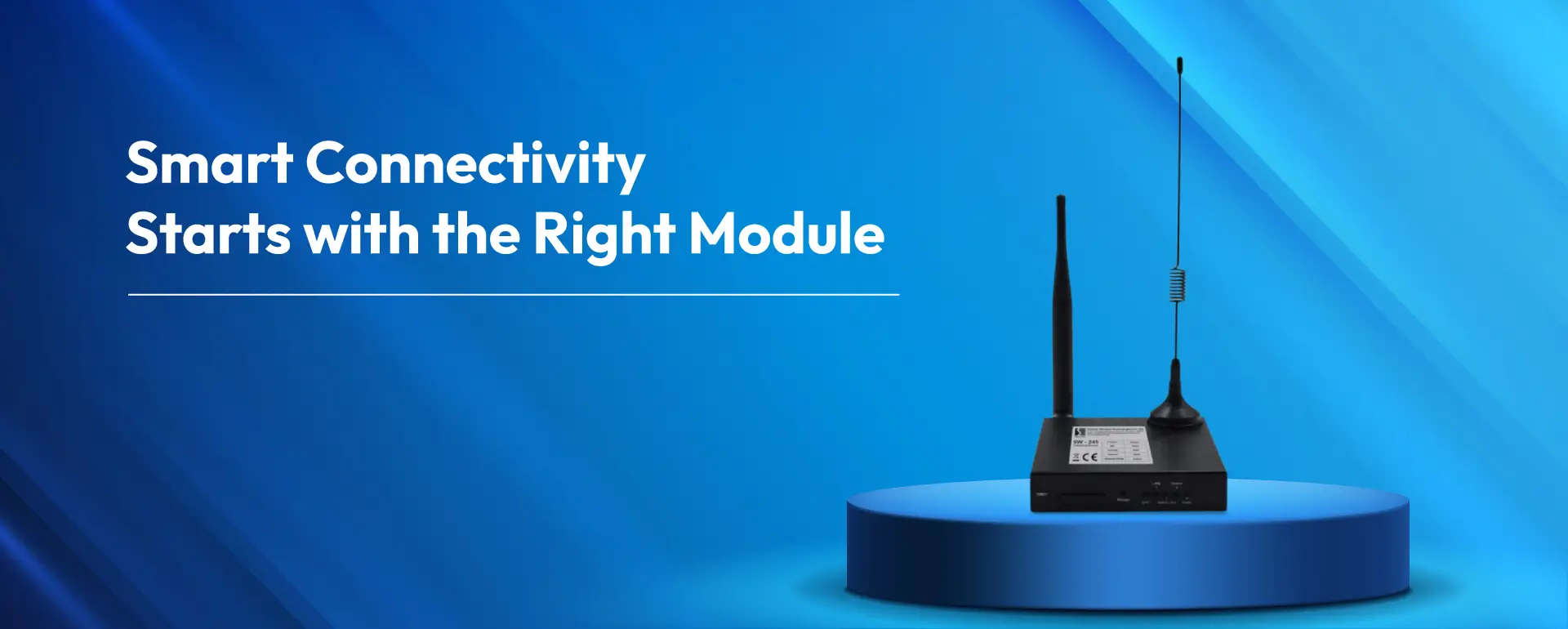
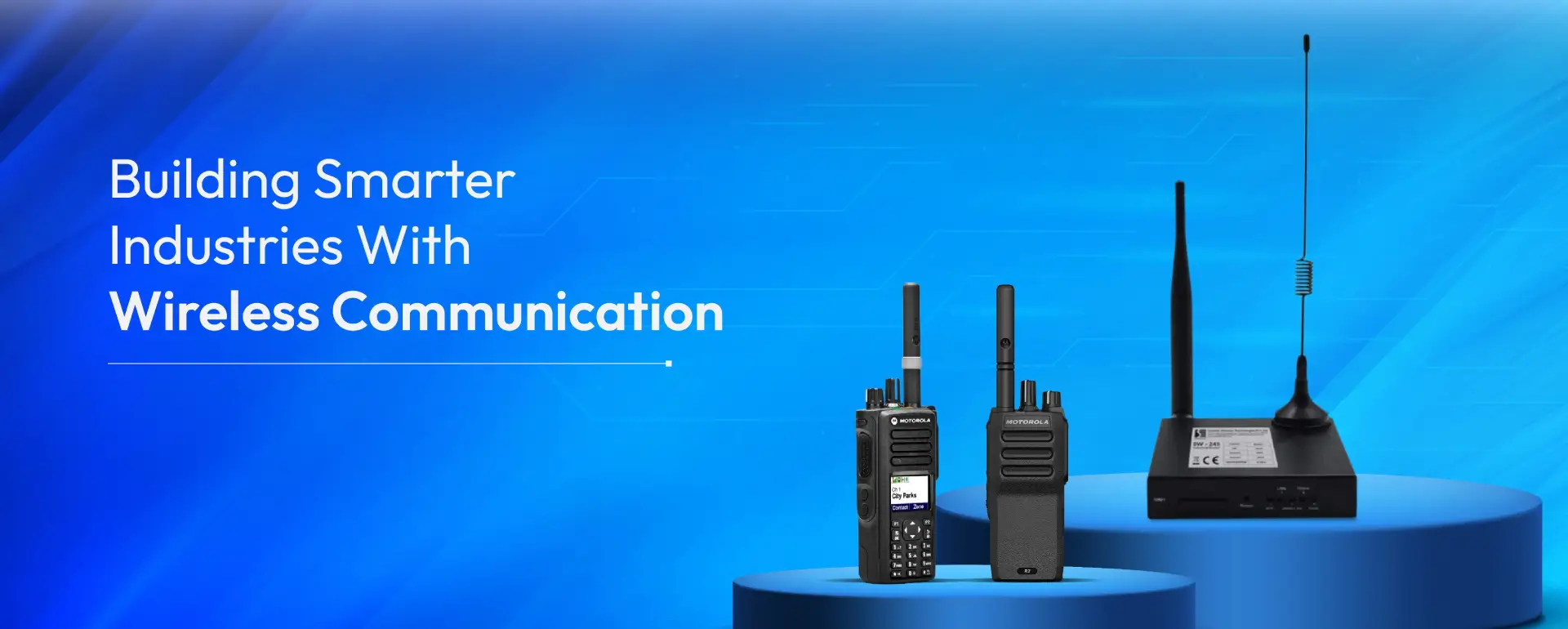
In practical deployments, industrial-grade routers and modules such as the SW245 are often referenced for their ability to provide stable cellular connectivity while integrating smoothly with automation systems. When chosen correctly, such solutions enhance efficiency without adding unnecessary complexity. 

Mistakes to Avoid While Selecting a GPRS/4G Module

One of the most common mistakes is choosing a module based solely on upfront cost. Low-cost consumer devices may seem attractive initially but often fail under industrial conditions. 

Ignoring long-term network availability is another critical error. Selecting a technology without considering carrier roadmaps can lead to premature obsolescence. 

Overlooking integration challenges can result in delays, compatibility issues, and increased engineering effort. Similarly, using consumer-grade modules in industrial applications often leads to reliability problems and higher maintenance costs. 

Avoiding these pitfalls ensures that the chosen module supports long-term operational goals rather than creating future constraints. 

Conclusion

Choosing the right GPRS 4G module for industrial automation is a strategic decision that directly influences system reliability, scalability, and performance. Beyond basic connectivity, industrial automation demands stable communication, durable hardware, and seamless integration with control systems. 

By carefully evaluating network compatibility, reliability, power efficiency, and environmental suitability, industries can build automation systems that are resilient and future-ready. Understanding the differences between GPRS and 4G helps align technology choices with application needs and long-term plans. 

As industrial IoT adoption continues to grow, informed selection of industrial IoT connectivity solutions becomes essential. The right module enables reliable wireless communication for industries, supports operational efficiency, and ensures that automation systems remain dependable in an increasingly connected industrial landscape. 

Related Blogs