Motorolas Two Way Radios and Wireless Systems Keep Teams Connected blog

Introduction: Why Industries Are Re-Thinking Safety & Control in 2025

As threats become more sophisticated and operations grow more complex, industries are adopting future-ready security solutions that go far beyond traditional alarms and cameras. Today’s industrial environments demand connected systems, real-time response, and advanced visibility across every corner of a facility. 
To meet this demand, organisations are upgrading to integrated industrial security systems that combine surveillance, wireless communication, remote controls, and on-ground accountability tools. 
Companies working with partners like Sheetal Wireless can now build end-to-end safety ecosystems that are scalable, intelligent, and ready for the future. 

The Real Problem: Security Systems That Don’t Talk to Each Other

Most legacy setups rely on isolated devices: standalone CCTV cameras, basic access control, uncoordinated guards, or outdated warehouse security systems. 
The problem? These systems don’t communicate, resulting in: 

  • Slow response during incidents 
  • Unverified on-ground activity 
  • No central visibility 
  • Manual coordination 
  • Higher risk of machine-related accidents 
  • Inability to scale with operations 

Modern industries need an integrated security system where surveillance, communication, and control equipment work as one network. Only then can teams react quickly, reduce blind spots, and maintain complete operational awareness. 

Step 1: Fix the Visibility Gap with Smarter Industrial Surveillance

Today’s facilities cannot depend on basic CCTV. They need industrial surveillance systems capable of operating in heat, dust, vibration, low light, and large coverage areas. 

Future-ready surveillance includes: 

  • IP-based CCTV networks with AI analytics 
  • PTZ cameras for large yards and warehouses 
  • Thermal imaging for high-temperature zones 
  • Rugged outdoor cameras for mining, ports, and manufacturing 
  • Remote monitoring and cloud-based video access 

These systems significantly strengthen security by providing: 

  • Real-time alerts 
  • Better situational awareness 
  • Evidence-based investigation 
  • Reduced manpower dependency 

With industrial operations becoming more automated, robust surveillance is the first essential foundation of a modern security strategy. 

Step 2: Bring Accountability On-Ground with Body-Worn Cameras

Even with advanced CCTV, there are areas cameras can’t reach, blind spots, moving teams, or remote yard operations. This is where body-worn cameras in India are seeing rapid adoption across security, logistics, manufacturing, and public infrastructure. 

Body-worn cameras provide: 

  • 360-degree accountability 
  • On-person video evidence 
  • Incident recording in real time 
  • Better transparency of guard patrolling 
  • Remote streaming to command rooms 

These devices help resolve disputes, prevent misconduct, and protect both the organisation and the employee. When integrated with the central surveillance system, they create a unified view of on-ground operations. 

Step 3: Reduce Machine Risks with Wireless Remote Controls

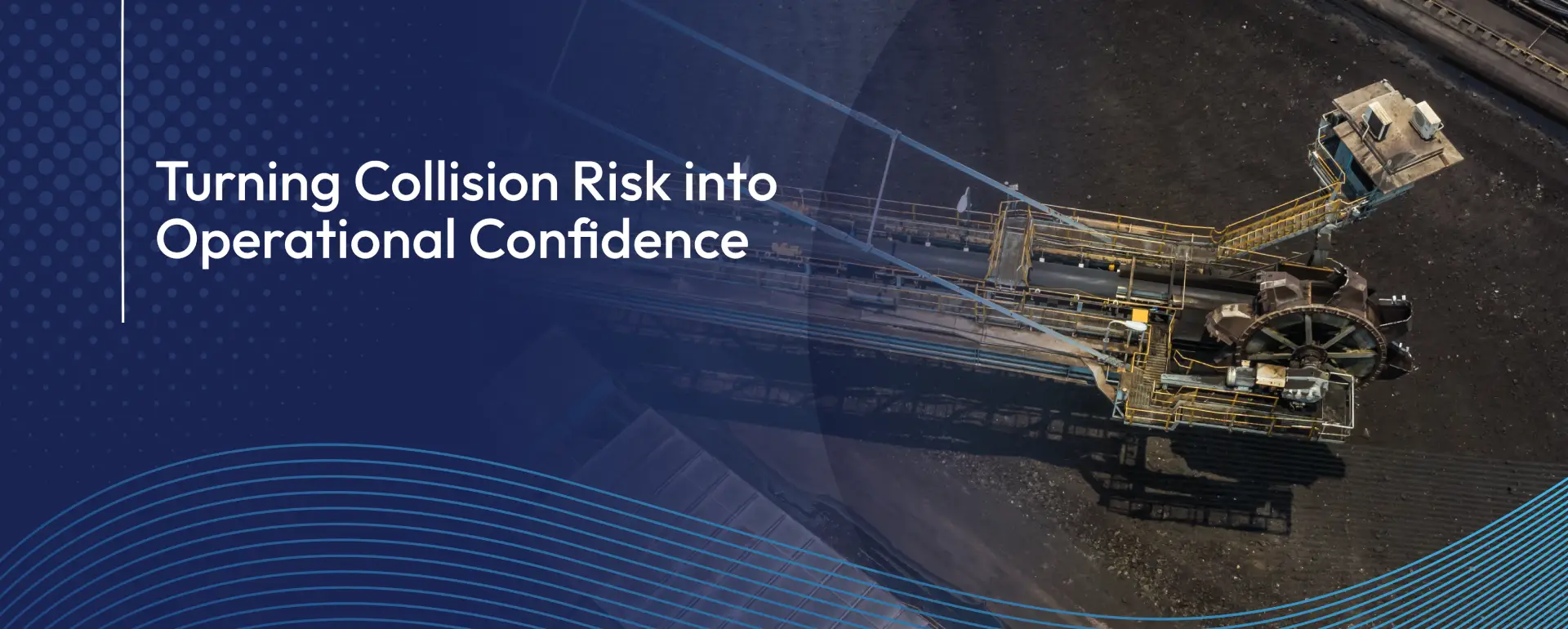
Industrial environments face a high risk of machine-related accidents—cranes, hoists, conveyor belts, stackers, reclaimers, and mobile machinery can all become hazards without proper control. 

wireless remote-control system helps: 

  • Keep operators at a safe distance 
  • Prevent accidental collisions 
  • Improve precision handling of materials 
  • Reduce fatigue and human error 
  • Enable better workflow automation 

Industries such as mining, steel plants, logistics terminals, and ports are switching to wireless remote controls because they eliminate cable failures and provide greater mobility, making sites significantly safer. 

Step 4: Improve Team Coordination with Reliable Wireless Communication

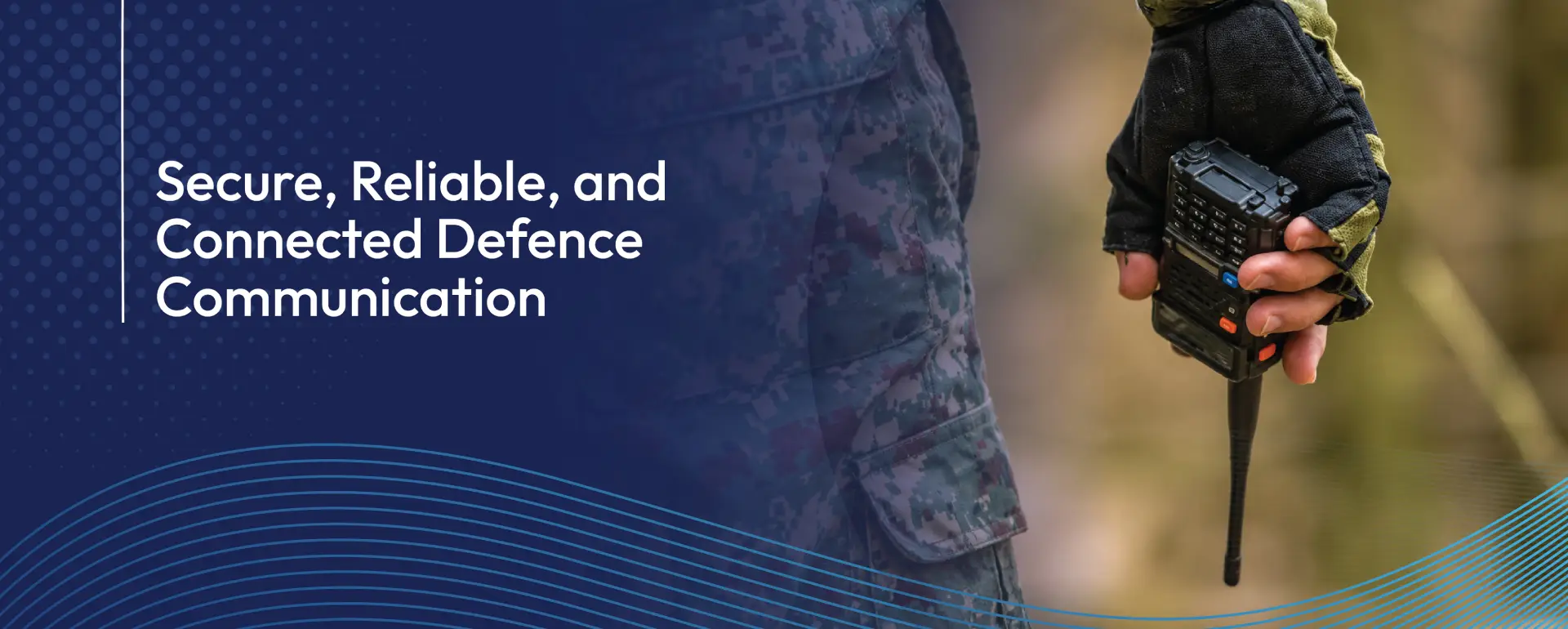
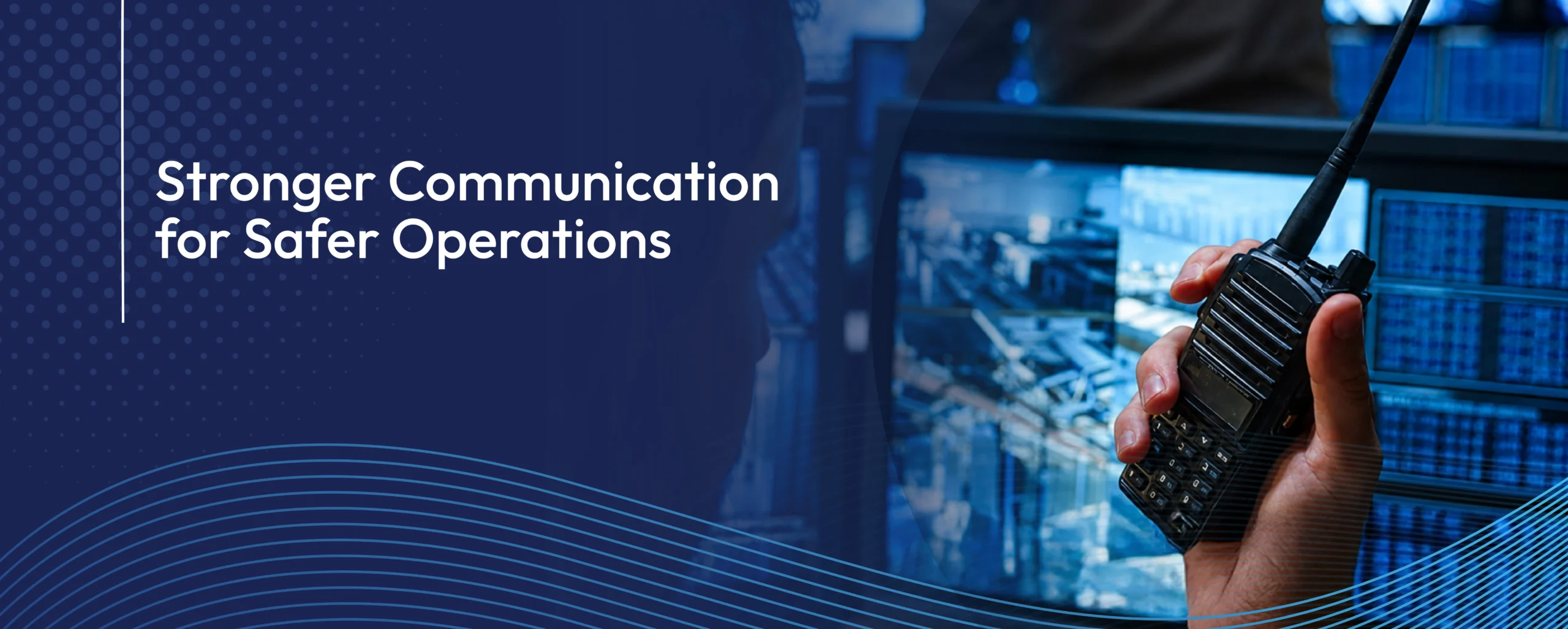
Whether during a breakdown, an emergency, or a routine operation, communication gaps can lead to downtime or safety incidents. This is why facilities are adopting advanced industrial communication devices such as two-way radios, LTE/PoC devices, and rugged handhelds. 

These tools ensure: 

  • Real-time communication across the facility 
  • Clear audio in noisy environments 
  • Instant group calls for crisis handling 
  • Reliable connectivity where mobile networks fail 
  • Coordination between operators, supervisors, and security 

Compared to smartphones, two-way radios offer ultra-fast response and far better durability, making them essential for industrial safety and communication. 

The Ideal Setup: How These Systems Work Together in a Real Facility

To see the true power of integration, imagine a modern factory or warehouse deploying these systems together: 

A machine collision is detected → CCTV analytics identify a risk → Operator receives a warning on wireless communication device → Body-worn camera streams the operator’s response → Control room activates machinery override using the wireless remote → Supervisors review footage for compliance and reporting. 

This ecosystem: 

  • Prevents accidents 
  • Speeds up emergency reactions 
  • Maintains traceability 
  • Ensures accountability 
  • Enables data-driven safety decisions 

When surveillance, communication, and control systems operate as one architecture, the facility becomes safer, more productive, and easier to manage.

Tangible Benefits for Industrial Facilities

Modern integrated systems deliver measurable improvements across operations: 

  1. Reduced Downtime

Fast response and better communication minimise production interruptions. 

  1. Improved Worker Safety

Remote controls reduce machine-related injuries; surveillance oversight increases site safety. 

  1. Higher Operational Efficiency

Teams communicate faster, equipment is monitored centrally, and issues are addressed immediately. 

  1. Accountability & Transparency

Body-worn cameras and recorded communication logs provide clear evidence for audits. 

  1. Scalable & Future-Ready

Facilities can add more devices, automation tools, or AI capabilities without overhauling the entire system. 

  1. Lower Operational Costs

Less wiring, fewer failures, reduced manpower load, and better preventive maintenance. 

These benefits make the shift toward future-ready security solutions not just a safety upgrade, but a business advantage. 

Why Industries Prefer Sheetal Wireless for Safety & Control Upgrades

Industries across India choose Sheetal Wireless because its solutions are designed for heavy-duty industrial environments and backed by strong technical expertise. Sheetal Wireless provides: 

  • Fully integrated security ecosystem 

Surveillance, radios, body-worn cameras, remote controls, and IoT devices are all connected under one network. 

  • Industrial-grade hardware 

Built for heat, dust, vibration, corrosion, and 24/7 high-performance needs. 

  • Custom-engineered deployments 

Tailored to warehouses, factories, ports, mining sites, and logistics yards. 

  • Reliable after-sales support 

Including AMC, installation, troubleshooting, and network optimisation. 

  • Proven experience in mission-critical communication 

Trusted across manufacturing, utilities, mining, logistics, and large infrastructure projects. 

For organisations upgrading their warehouse security systems, plant communication, or machinery safety, Sheetal Wireless provides a complete and scalable transformation strategy. 

Conclusion

In 2025, industrial facilities are not just adding new devices; they’re rebuilding their entire security ecosystem for the future. 
By combining industrial surveillance systems, body-worn cameras, wireless remote controls, two-way communications, and integrated network management, industries achieve safer, smarter, and more efficient operations. 

Sheetal Wireless stands at the centre of this transformation, delivering reliable technology and end-to-end solutions to help organisations build future-ready security and control systems that grow with their needs. 

Related Blogs