Advanced Stacker Reclaimer Technology

Reducing Operational Risks in Stockyards with Advanced Stacker Reclaimer Technology

Introduction

Stockyards handle heavy machinery, bulk materials, and continuous operations, making collisions and downtime a constant operational risk. Unsafe operations can lead to equipment damage, financial loss, operational delays, and employee safety hazards. 
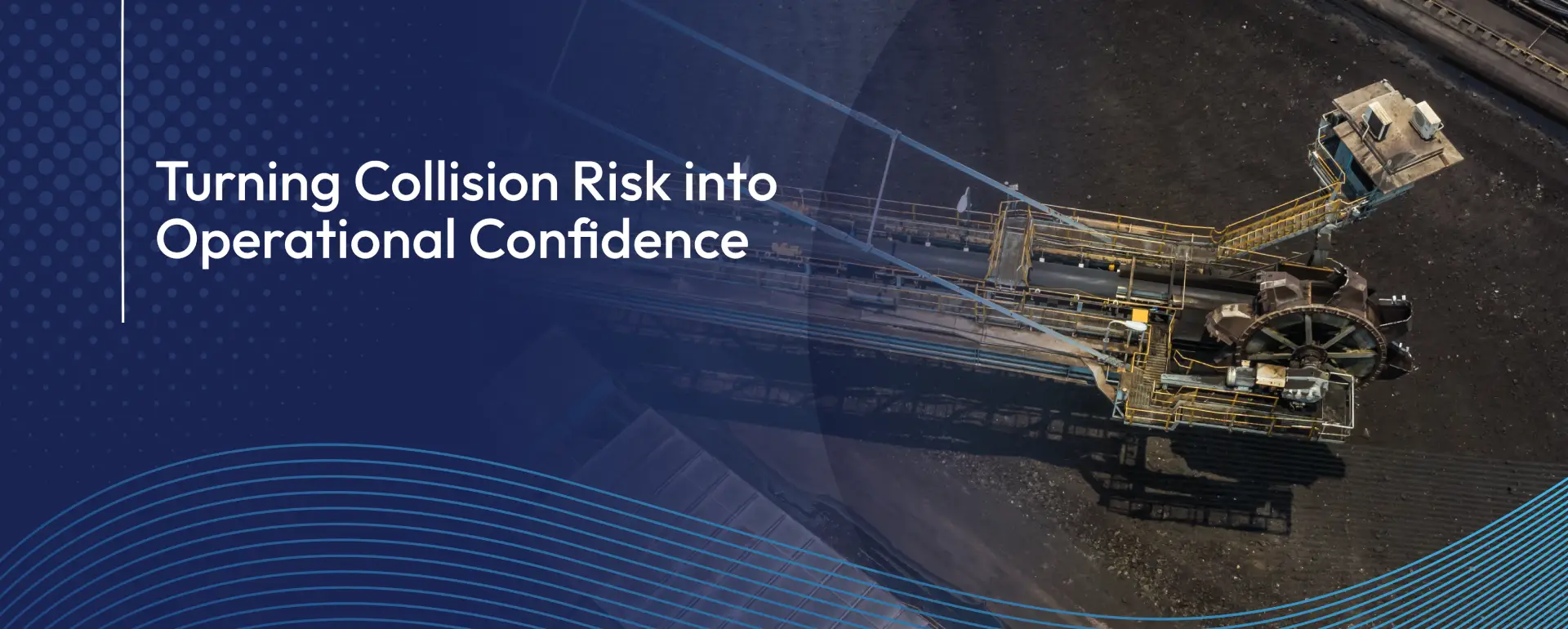
Advanced stacker reclaimer technology addresses these challenges by combining automation, real-time monitoring, and industrial collision avoidance systems. These solutions proactively reduce risk, improve efficiency, and protect both machinery and personnel. Companies like Sheetal Wireless provide comprehensive stockyard safety solutions that integrate intelligent monitoring, predictive alerts, and rugged industrial design to enhance operational safety. 

Understanding Operational Risks in Stockyards

Machine Collision and Equipment Damage

Collisions often occur due to overlapping paths, obstructed visibility, or operator error. Damaged stackers, reclaimers, or conveyor systems can result in costly downtime and repair expenses. 

Human Error and Fatigue

Manual control increases risk in high-pressure environments. Fatigue, distractions, and miscommunication contribute to mistakes that can escalate into accidents or operational disruptions.

Environmental Challenges

Dust, inclement weather, and limited visibility amplify risks in stockyards. Uneven terrain and complex layouts further complicate equipment movement. 

Downtime and Productivity Loss

Even minor incidents can halt operations, impacting material flow, production schedules, and overall throughput. Effective industrial automation for stockyards is essential to maintain continuity. 

What an Advanced Stacker Reclaimer Technology Reduces Risks

Real-Time Machine Monitoring

Modern stacker reclaimer systems provide continuous position tracking of equipment. Real-time alerts warn operators of unsafe movements, reducing the likelihood of collisions and operational mistakes. 

Collision Avoidance Systems

Equipped with sensors and proximity detection, these systems prevent collisions between stackers, reclaimers, and other mobile machinery. Examples include boom arm clashes and stacker-to-reclaimer incidents. 

Predictive Analytics and Safety Alerts

Smart monitoring platforms analyse equipment behaviour to detect potential hazards before they escalate. Automated warnings notify operators and control rooms, enabling proactive interventions. 

Integration with Existing Automation Systems

Advanced systems integrate seamlessly with PLCs, SCADA platforms, and industrial communication devices. This ensures smooth monitoring without requiring extensive retrofitting of infrastructure. 

Environmental Adaptability

Rugged designs allow stacker reclaimer systems to operate reliably under dust, heat, vibration, and high-humidity conditions, ensuring performance even in the harshest industrial environments. 

Operational Benefits Beyond Safety

Reduced Downtime

Fewer collisions mean fewer operational interruptions, maintaining material flow and productivity. 

Lower Maintenance Costs

Automation and collision avoidance reduce the need for equipment repairs and replacements, saving time and resources. 

Higher Productivity and Throughput

Continuous, safe operation of stackers and reclaimers ensures efficient handling of bulk materials, optimising throughput. 

Increased Operator Confidence

Operators can focus on precision tasks knowing that advanced systems support safety and monitoring, improving efficiency and reducing stress. 

Industry Applications

  • Cement Plants: Safe handling of cement and raw materials using automated stacker-reclaimer monitoring.  
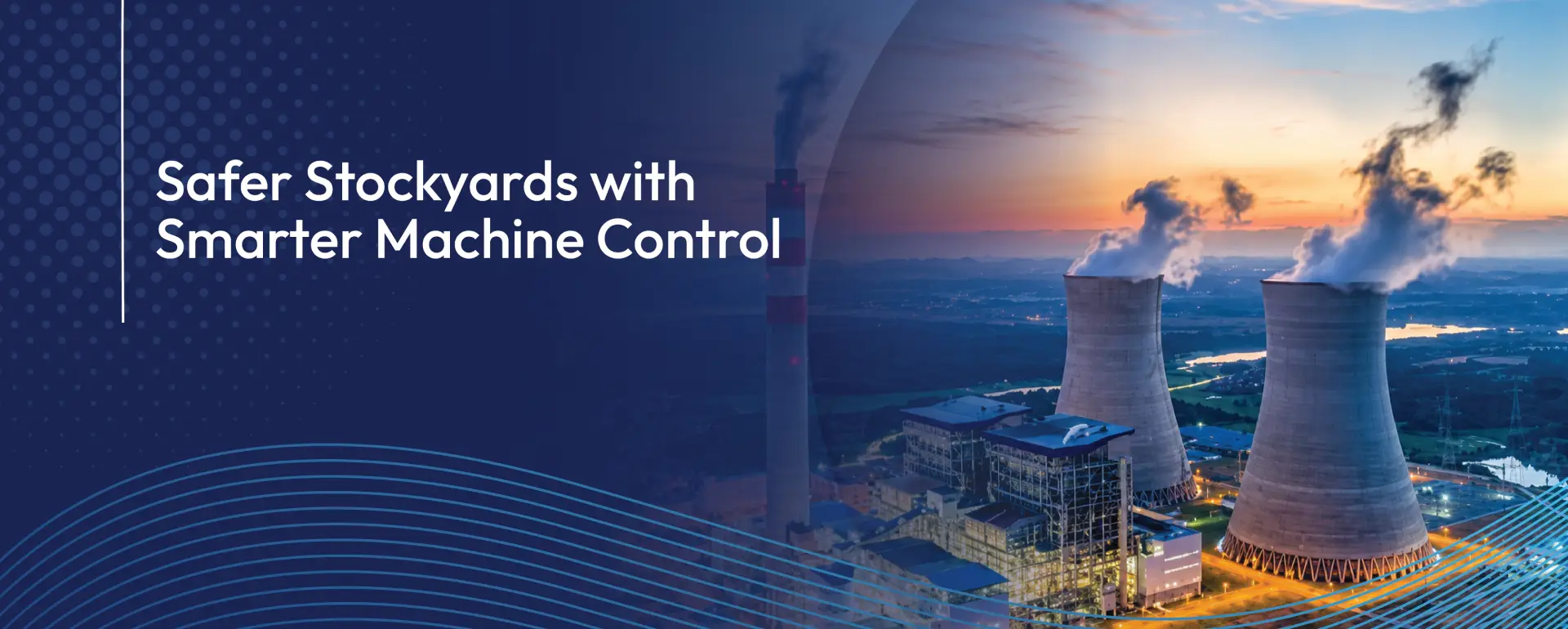
  • Thermal Power Plants: Coal and ash handling with integrated collision avoidance to protect staff and equipment.  
  • Ports and Bulk Storage Yards: Managing high-traffic operations with minimised risk of machine collisions.  
  • Steel Manufacturing and Mining: Ensuring continuous operations while reducing accident potential and costly downtime.  

Choosing the Right Stacker Reclaimer Safety Solution

When selecting a system, facilities should consider: 

  • Detection accuracy and sensor reliability  
  • Integration with existing automation and control networks  
  • Environmental resilience for dust, heat, and vibration  
  • Real-time alerts and automation capability  
  • Scalability for future expansion  

How Sheetal Wireless Supports Safer Operations

Sheetal Wireless’s stacker reclaimer collision avoidance system offers: 

  • Real-time monitoring of stacker and reclaimer positions  
  • Intelligent collision detection with automated alerts  
  • Integration with PLC and SCADA platforms for seamless control  
  • Rugged, industrial-grade design built for harsh stockyard environments  

These solutions combine smart monitoring for stacker reclaimers, predictive analytics, and operator-friendly interfaces to create safer, more efficient industrial operations. 

Conclusion

Implementing advanced stacker reclaimer technology is crucial for modern stockyards seeking safer, more productive operations. By integrating collision avoidance, real-time machine monitoring, and robust automation, industrial facilities can reduce downtime, prevent equipment damage, and enhance employee safety. 

From cement plants and steel mills to ports and mining operations, these technologies ensure smoother material handling, higher throughput, and greater operational confidence. Investing in solutions like Sheetal Wireless’s stacker reclaimer systems delivers tangible benefits in efficiency, safety, and long-term operational resilience. 

For industries looking to enhance bulk material handling safety and build a future-ready stockyard, now is the time to explore advanced stacker reclaimer technology and intelligent monitoring systems. Contact Sheetal Wireless to learn more about their cutting-edge collision avoidance and monitoring solutions. 

Related Blogs