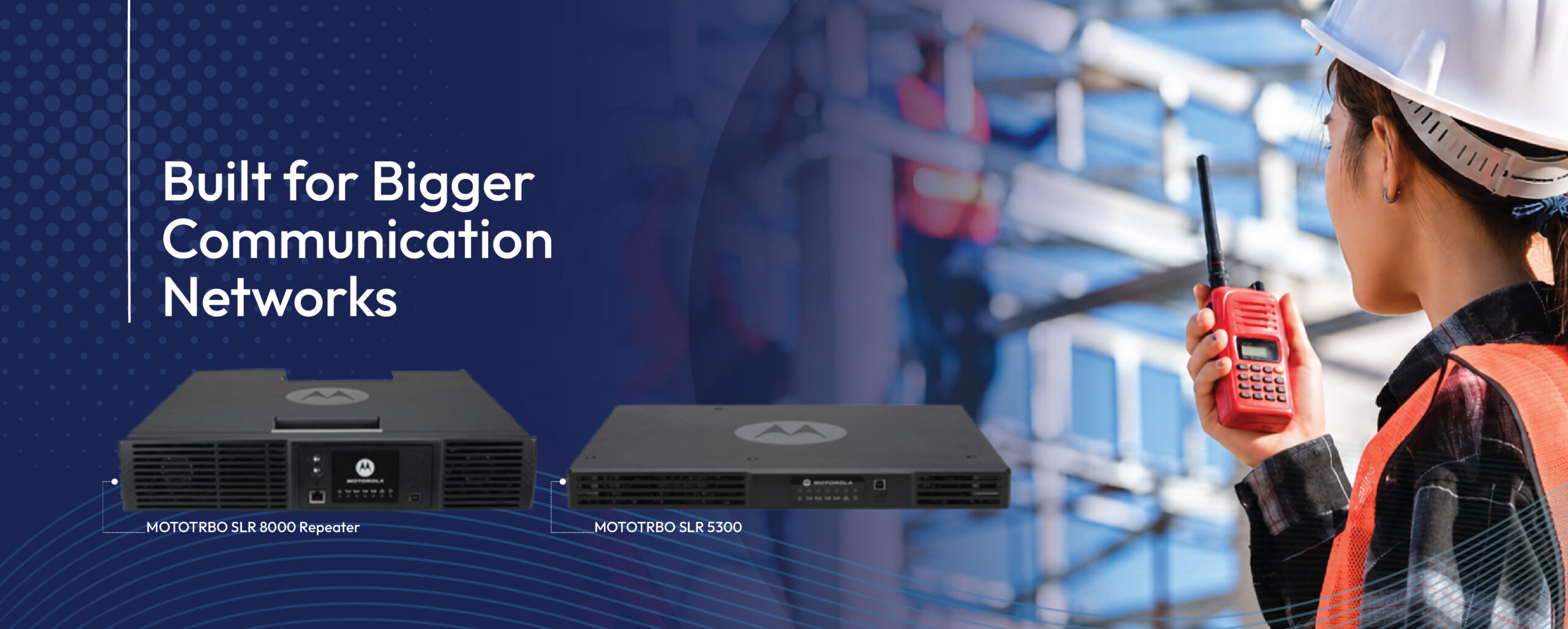
Which Motorola Radio Repeater Is Right for Your Industrial Network? SLR 5300 vs SLR 8000
Which Motorola Radio Repeater Is Right for Your Industrial Network? SLR 5300 vs SLR 8000 Introduction When an industrial facility

Modern industrial operations rarely stay within the boundaries of a single location. Teams move between facilities, vehicles travel across large operational areas, and field personnel often work away from central control rooms. In such environments, communication delays can affect coordination, response times, and worker safety.
A reliable POC radio can help overcome these challenges by combining Push-to-Talk communication with wide-area connectivity. The Motorola TLK 110 brings this approach to industrial teams through broadband communication, safety-focused features, and remote device management, helping mobile field teams stay connected across supported network coverage
PoC, or Push to Talk over Cellular, uses broadband cellular connectivity to deliver instant Push-to-Talk communication beyond the traditional coverage limitations of conventional radio systems. The Motorola TLK 110 operates through the WAVE PTX ecosystem, using supported LTE networks and Wi-Fi connectivity to extend communication across wider geographical areas.
Instead of relying only on radio-frequency infrastructure, the TLK 110 uses broadband connectivity to connect distributed teams. Users still get the familiar experience of pressing a button to communicate, while organisations gain access to features such as GPS/GNSS location tracking, emergency functions, and centralised device management.
This makes the TLK 110 particularly relevant where teams, vehicles, and operations are spread across multiple locations.
One of the biggest advantages of the TLK 110 is its ability to provide wide-area Push-to-Talk communication through WAVE PTX over supported broadband networks. This can help organisations connect teams working across different sites, facilities, or geographical areas without depending solely on the range of a conventional radio network.
For industrial operations with mobile field teams, this can reduce communication gaps and make coordination between supervisors, operators, and field personnel faster.
Industrial sites can be difficult places for voice communication. Machinery, vehicles, construction activity, and warehouse operations can create significant background noise.
The TLK 110 incorporates AI-based noise suppression and a wideband speaker to improve audio clarity. This can help workers communicate more effectively when operating around noisy equipment or moving between demanding field environments.
Communication becomes even more important when workers operate alone or in potentially hazardous areas. The TLK 110 includes a dedicated emergency button along with Lone Worker and Man Down/Fall Alert capabilities. These features can help escalate incidents when a worker requires assistance.
The safety value extends beyond manually initiated calls. Depending on the configured safety functionality, the device can identify situations such as inactivity or a potential fall and initiate alerts to designated contacts
GPS/GNSS tracking provides organisations with greater visibility of mobile personnel. For supervisors coordinating field teams, location information can support better resource allocation, response coordination, and operational awareness.
This is particularly useful when teams work across large facilities, multiple sites, or geographically distributed operations
Managing a large fleet of communication devices can become difficult when every device needs to be physically collected for configuration or updates. The WAVE PTX administration portal allows organisations to manage device and team settings remotely.
For businesses with distributed teams, this can simplify communication-fleet administration and reduce the effort required to maintain devices across locations.
Industrial communication equipment needs to withstand everyday exposure to demanding environments. The TLK 110 has an IP67 rating and is certified to MIL-STD-810H, protecting against dust, water, shocks, vibration, and other environmental conditions.
This rugged construction makes the TLK 110 suitable for professional walkie-talkie applications for industrial use where durability is an important consideration.
Construction projects and industrial facilities often involve multiple teams working simultaneously across large or changing work areas. Site supervisors, engineers, maintenance personnel, safety teams, and field workers can use a POC radio to coordinate activities and communicate quickly across supported network coverage. The TLK 110’s rugged design, Push-to-Talk functionality, noise suppression, and safety features make it relevant for demanding industrial environments
2. Security Operations:
Security personnel working across warehouses, industrial campuses, large facilities, or venues need quick access to team communication. Wide-area Push-to-Talk can help connect security teams without restricting communication to a small physical area.
Emergency and location capabilities can also provide additional operational awareness when teams are distributed across a facility
3. Transportation & Logistics:
Transportation and logistics operations depend heavily on mobile teams. Drivers, dispatch personnel, warehouse teams, and logistics supervisors may operate across different locations throughout the day. A Motorola POC radio can provide a common communication platform for these teams, helping reduce delays between mobile personnel and coordination centres.
4. Public Safety & Emergency Response:
Emergency response teams often need to coordinate personnel who are spread across large or changing operational areas. Broadband Push-to-Talk can support rapid communication between distributed users, while emergency and location features provide additional tools for responding to incidents.
The value of the TLK 110 extends beyond basic voice communication. Instant Push-to-Talk can shorten communication cycles, while group communication helps teams coordinate without relying on individual calls.
Emergency functionality can support faster escalation when incidents occur. GPS/GNSS capabilities can improve visibility of mobile personnel, while remote management helps administrators manage communication devices across distributed teams. AI-based noise suppression can further improve voice clarity in challenging environments
Together, these capabilities can help reduce communication delays, improve coordination, support worker safety, and contribute to more efficient industrial operations
Sheetal Wireless provides professional wireless communication solutions for organisations that require dependable communication across industrial and field environments. Its Motorola TLK 110 offering combines broadband Push-to-Talk, safety capabilities, GPS/GNSS tracking, rugged construction, and remote device management.
For organisations evaluating PoC communication, the right solution depends on factors such as site coverage, workforce mobility, communication requirements, and existing infrastructure. Sheetal Wireless can support requirement-based product selection, system planning, integration, and technical support.
Reliable communication is essential when industrial teams are mobile, geographically distributed, and working in demanding environments. By combining wide-area Push-to-Talk, clear audio, worker-safety capabilities, location visibility, and remote management, the Motorola TLK 110 can support safer and more efficient industrial operations.
Explore Motorola TLK 110 PoC Radio solutions from Sheetal Wireless to identify the right communication approach for your industrial and field operations.
A PoC radio (Push to Talk over Cellular) uses cellular networks or Wi-Fi connectivity to provide instant voice communication over wide areas without relying only on traditional radio infrastructure.
The Motorola TLK 110 offers wide-area Push-to-Talk communication, clearer audio in noisy environments, worker safety features, GPS/GNSS location capabilities, and easier remote device management for industrial teams.
The Motorola TLK 110 PoC Radio can be used in construction and industrial sites, security operations, transportation and logistics environments, and public safety or emergency response applications.
The Motorola TLK 110 supports worker safety through emergency communication features, Lone Worker functionality, Man Down/Fall Alert capabilities, and GPS/GNSS location visibility for faster assistance when required.
PoC radio communication improves efficiency through instant communication, better team coordination, faster issue escalation, improved connectivity for mobile workforces, and simplified remote device administration across distributed teams.

Which Motorola Radio Repeater Is Right for Your Industrial Network? SLR 5300 vs SLR 8000 Introduction When an industrial facility

How a PAGA System Supports Faster Emergency Alerts Across Industrial Facilities Introduction – When Every Second Matters During an Industrial
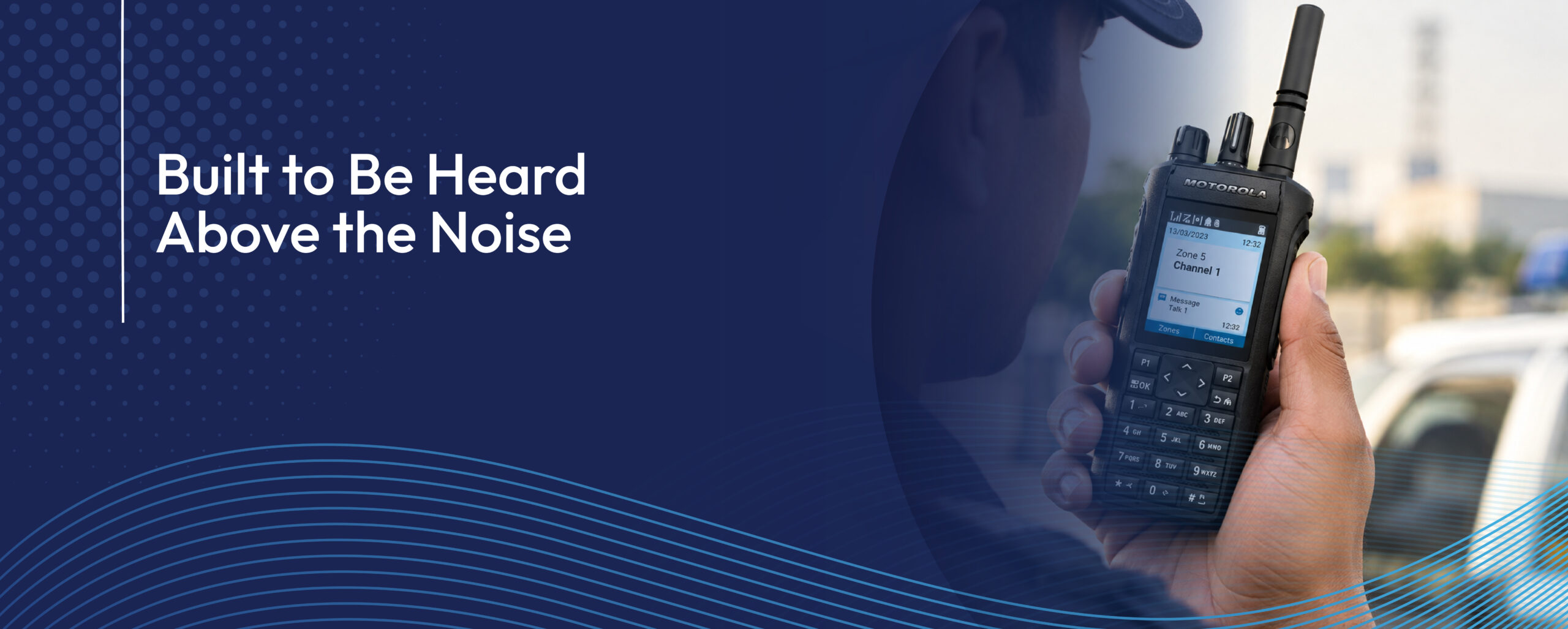
How to Improve Communication in Noisy Industrial Environments with the Motorola R7 Walkie-Talkie Introduction In a manufacturing or steel plant,
Why the Right DMR Mobile Radio Matters for Transport and Fleet Operations: Motorola XiR M8668i Introduction: When Fleet Communication Cannot Afford Delays
How Motorola TLK 110 PoC Radio Supports Safer and More Efficient Industrial Operations Introduction Modern industrial operations rarely stay within
How Two-Way Radios Improve Communication and Safety in Oil & Gas Operations Introduction Oil & Gas operations span refineries, oilfields,