
Why Wireless Communication Is Replacing Wired Systems in Modern Industries
Why Wireless Communication Is Replacing Wired Systems in Modern Industries Introduction For decades, industrial communication depended heavily on wired networks

For decades, industrial communication depended heavily on wired networks to connect machines, control rooms, and operational teams. While reliable in controlled settings, these systems were designed for static environments with limited flexibility. Today, however, modern industries operate in far more dynamic conditions that demand mobility, scalability, and real-time access to information. This shift has placed industrial wireless communication at the centre of digital transformation initiatives across manufacturing, infrastructure, and utilities.
As industries adopt automation, remote monitoring, and Industry 4.0 practices, wireless technologies have evolved to support both machine-to-machine communication and human coordination. From industrial 4G routers enabling data flow to walkie-talkies supporting on-ground teams, wireless communication in industries is now replacing wired systems as the preferred foundation for efficient and future-ready operations.
Wired communication systems come with several inherent challenges that restrict operational agility in modern industrial settings.
One of the biggest drawbacks is high installation and cabling costs. Laying cables across large plants, warehouses, or outdoor sites requires significant time, labour, and planning. As facilities expand or layouts change, these costs increase further.
Harsh industrial environments also accelerate wear and tear. Heat, vibration, dust, moisture, and mechanical movement often damage cables, leading to frequent repairs. Even minor cable failures can cause communication breakdowns and production delays.
Downtime is another critical issue. When cables are damaged or rerouted, operations may need to be paused, affecting productivity. Wired systems also make it difficult to scale or reconfigure layouts quickly, limiting adaptability.
Finally, wired communication offers limited support for mobile teams and distributed assets. Operators, maintenance staff, and safety teams cannot rely on fixed connections when they need to move freely across large or remote sites.
The transition away from wired systems is driven by rapid advancements in wireless technology tailored for industrial use.
Industrial-grade wireless hardware is now designed to deliver high reliability, secure data transmission, and consistent coverage even in challenging environments. These improvements have made wireless communication dependable enough for mission-critical operations.
At the same time, the growing adoption of Industry 4.0 and industrial IoT has increased the need for connected systems that can exchange data in real time. Wireless communication for industrial automation enables faster response, better visibility, and seamless integration across platforms.
Remote monitoring, predictive maintenance, and distributed control systems further accelerate this shift. Industries no longer want communication systems that tie them down physically; they want solutions that scale as operations grow.
One of the most important enablers of wireless automation is the industrial 4G LTE router. These devices provide secure cellular connectivity for PLCs, HMIs, control panels, and industrial computers.
Instead of relying on fixed Ethernet lines, industrial routers enable wireless connectivity in remote locations, temporary setups, or moving equipment. They support real-time data transmission, ensuring that operational data reaches control centres without delay.
Industrial-grade routers are designed for continuous operation and harsh conditions, making them suitable for factories, substations, and infrastructure projects. Solutions such as industrial router series similar to the SW245 are often deployed to ensure stable connectivity while reducing dependency on wired networks.
Industrial IoT gateways play a critical role in connecting field devices to central systems. Acting as a bridge, they collect data from sensors, meters, and controllers and transmit it wirelessly to cloud platforms or SCADA systems.
These gateways support industrial protocols such as Modbus and MQTT, along with SMS alerts for critical events. By aggregating and transmitting data wirelessly, they reduce the need for extensive cabling across the facility.
As part of broader industrial wireless communication systems, IoT gateways simplify network architecture and improve data accessibility across distributed operations.
Wireless communication has become essential for centralised monitoring of multiple sites. Industries managing utilities, energy assets, water systems, or large infrastructure projects often operate across vast geographies.
With wireless connectivity, operators can monitor equipment performance, receive alerts, and make control decisions from a central location. This significantly reduces the need for on-site manpower and manual inspections.
Key advantages include faster deployment, lower maintenance requirements, and improved system visibility. Wireless communication for factory operations allows businesses to respond quickly to issues, minimising downtime and operational risk.
While automation systems handle machine data, human coordination remains equally critical. Walkie-talkies continue to play a vital role in industrial environments where instant voice communication is required.
Unlike mobile phones, walkie-talkies do not depend on public cellular networks. They provide direct, real-time communication, making them indispensable during emergencies or in areas with poor network coverage.
In noisy, large, or restricted environments, industrial walkie-talkie solutions ensure that teams stay connected without delays. This reliability makes them a cornerstone of industrial safety and coordination.
Traditional wired intercom systems suffer from the same limitations as other wired communication tools. They require fixed infrastructure, lack mobility, and are vulnerable to damage.
Walkie-talkies eliminate the need for cabling entirely. They continue to function during power failures or network disruptions, offering resilience in critical situations.
Designed specifically for industrial use, these devices are rugged, portable, and capable of supporting mobile teams across large facilities. As a result, walkie-talkies for industrial communication are increasingly replacing wired intercoms in manufacturing plants, warehouses, construction sites, utilities, and security operations.
Wireless communication is now embedded across a wide range of industrial applications.
In industrial automation and control systems, wireless networks enable flexible machine connectivity. Remote equipment monitoring relies on wireless links to transmit data from inaccessible locations.
SCADA and telemetry systems use wireless communication to manage distributed assets efficiently. Mobile workforce coordination depends on walkie-talkies and handheld devices for instant communication.
Safety and emergency communication also benefit significantly from wireless solutions, ensuring rapid response and clear coordination during critical incidents.
These use cases highlight the growing preference for wireless communication in industries where adaptability and speed are essential.
Despite its advantages, wireless communication presents certain challenges that industries must manage carefully.
Network reliability is addressed by using industrial-grade hardware designed for consistent performance. Security concerns are mitigated through encrypted communication, secure protocols, and controlled access.
Coverage issues are solved through proper network planning, antenna placement, and signal optimisation. Integration challenges are reduced by selecting wireless solutions compatible with existing systems and protocols.
By addressing these factors proactively, industries ensure that wireless communication remains robust and dependable.
The future of industrial communication lies in hybrid systems that combine wired and wireless technologies. While some critical connections may remain wired, wireless networks will increasingly serve as the backbone for scalability and expansion.
As smart factories and connected industries evolve, dependence on wireless communication will continue to grow. Wireless systems offer the flexibility required to adapt to changing operational demands without extensive infrastructure changes.
In this future landscape, industrial wireless communication systems will play a central role in enabling innovation, efficiency, and resilience.
Wireless communication is no longer an optional upgrade for modern industries; it has become a strategic necessity. By replacing wired systems, wireless technologies support automation, remote monitoring, safety, and seamless human coordination.
From industrial routers and IoT gateways to walkie-talkies for on-ground teams, industrial wireless devices deliver efficiency, reliability, and future readiness. The shift from wired to wireless is driven by the need for flexibility, reduced downtime, and scalable operations.
As industries continue to modernise, adopting wireless communication for industrial automation and human operations will be essential for building connected, efficient, and resilient industrial ecosystems.

Why Wireless Communication Is Replacing Wired Systems in Modern Industries Introduction For decades, industrial communication depended heavily on wired networks

Choosing the Right GPRS/4G Module for Industrial Automation Projects Introduction In modern industrial automation, connectivity is no longer optional. Machines,

Introduction Modern field operations are increasingly complex and fast-paced, with accountability now a critical priority. Law enforcement officers, security personnel,
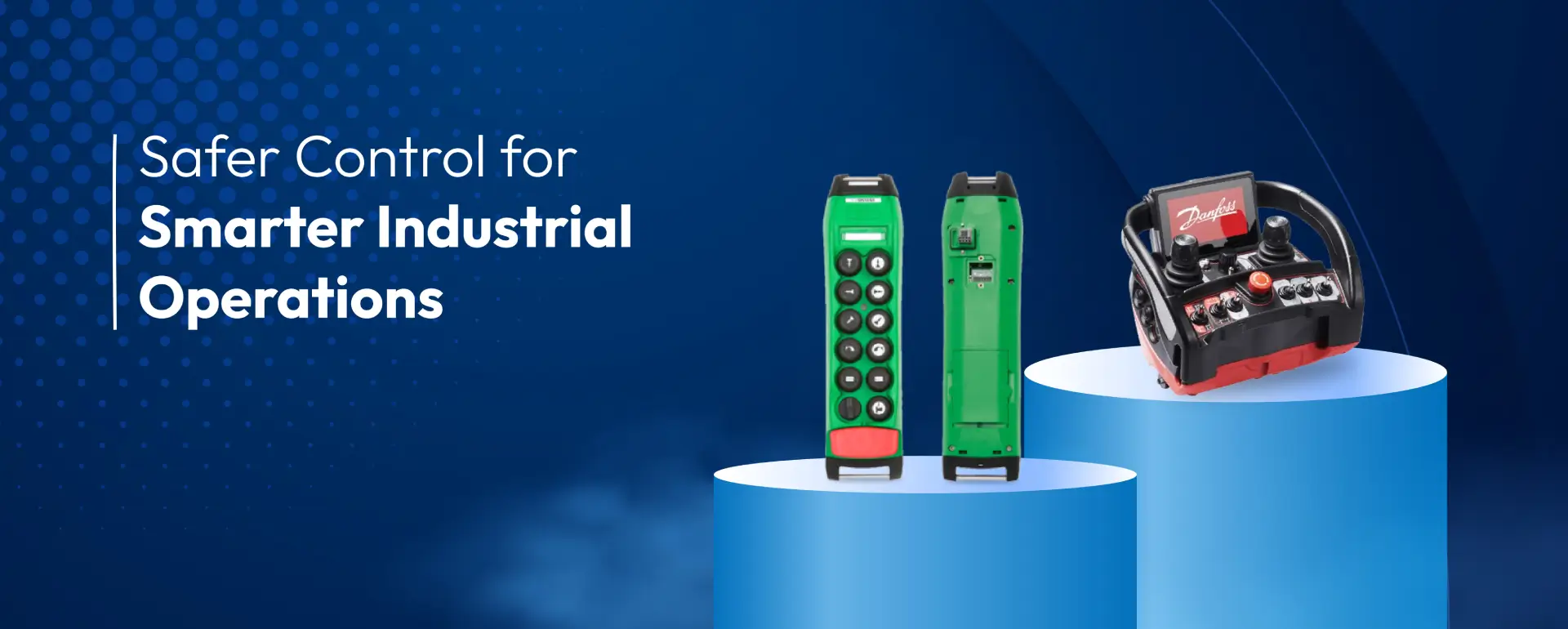
Introduction Across plants, warehouses, ports, and construction sites, industrial operations are evolving rapidly as smarter technologies reshape safety and efficiency.
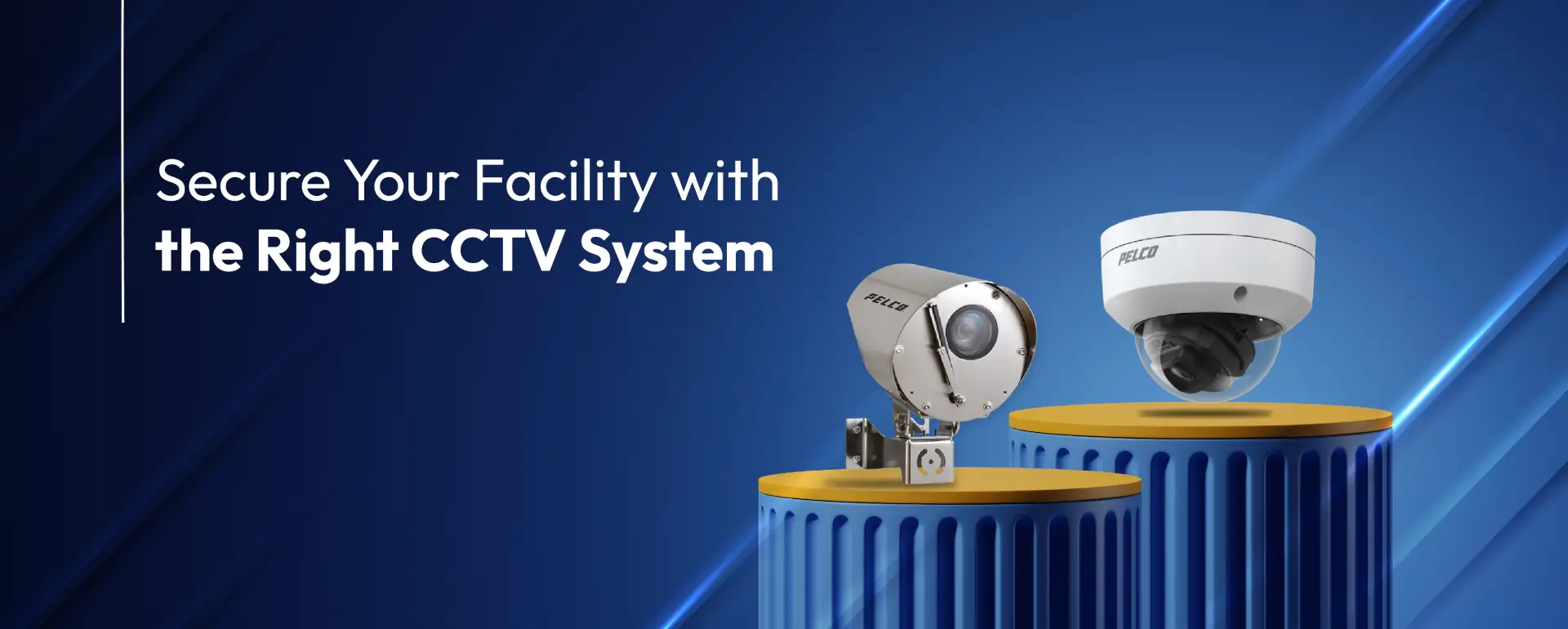
Introduction In today’s increasingly complex operational environments, choosing the right CCTV system has become a critical priority for industrial and

Introduction: Why Industries Are Re-Thinking Safety & Control in 2025 As threats become more sophisticated and operations grow more complex,