Machine Collision Avoidance Systems

The Future of Industrial Safety: Advancements in Machine Collision Avoidance Systems

Introduction

Industrial environments are becoming more complex as automation, heavy machinery, and high-speed operations continue to expand. From manufacturing plants and mining sites to logistics yards and material handling facilities, machines operate in close proximity to workers and other equipment. While these systems improve productivity, they also introduce significant safety risks. Collisions between machines, vehicles, and personnel can result in injuries, equipment damage, and costly downtime. This is where machine collision avoidance systems are transforming modern industrial safety systems. 

Collision avoidance solutions use sensors and intelligent monitoring to detect obstacles and prevent accidents before they occur. These machine safety solutions provide real-time alerts, automatic slowdowns, or emergency stops to avoid collisions. As industries adopt advanced collision avoidance technology, safety in industrial operations is shifting from reactive incident handling to proactive prevention. 

Key Components of a Machine Collision Avoidance System

How Collision Avoidance Systems Work

Modern industrial collision avoidance solutions rely on multiple sensing technologies to detect objects and prevent accidents. These systems typically include proximity sensors, ultrasonic sensors, radar, and LiDAR-based detection. Each component plays a role in identifying nearby machines, obstacles, or personnel. 

Collision detection systems for machines continuously scan the surrounding area and calculate distance and movement. When a potential risk is detected, the system generates alerts or automatically slows down equipment. These automated safety systems can also trigger alarms, flashing lights, or emergency stops depending on the severity of the risk. 

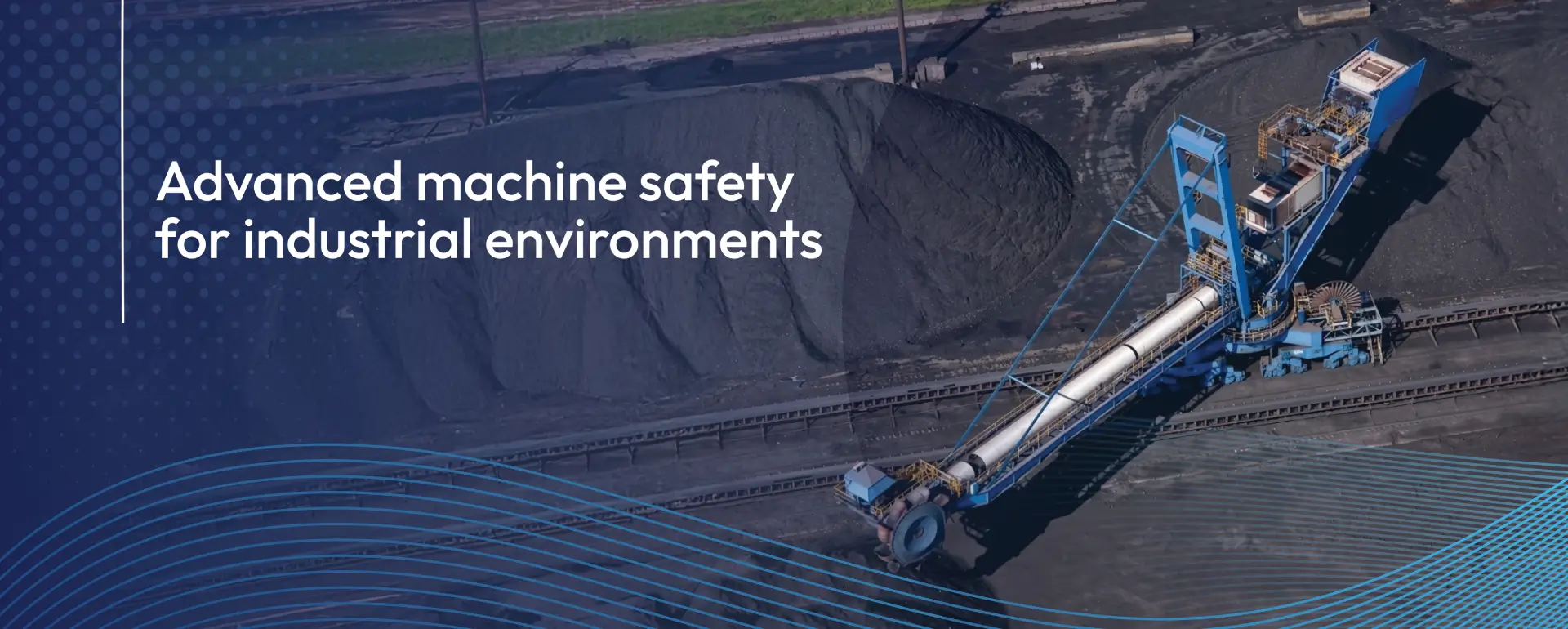
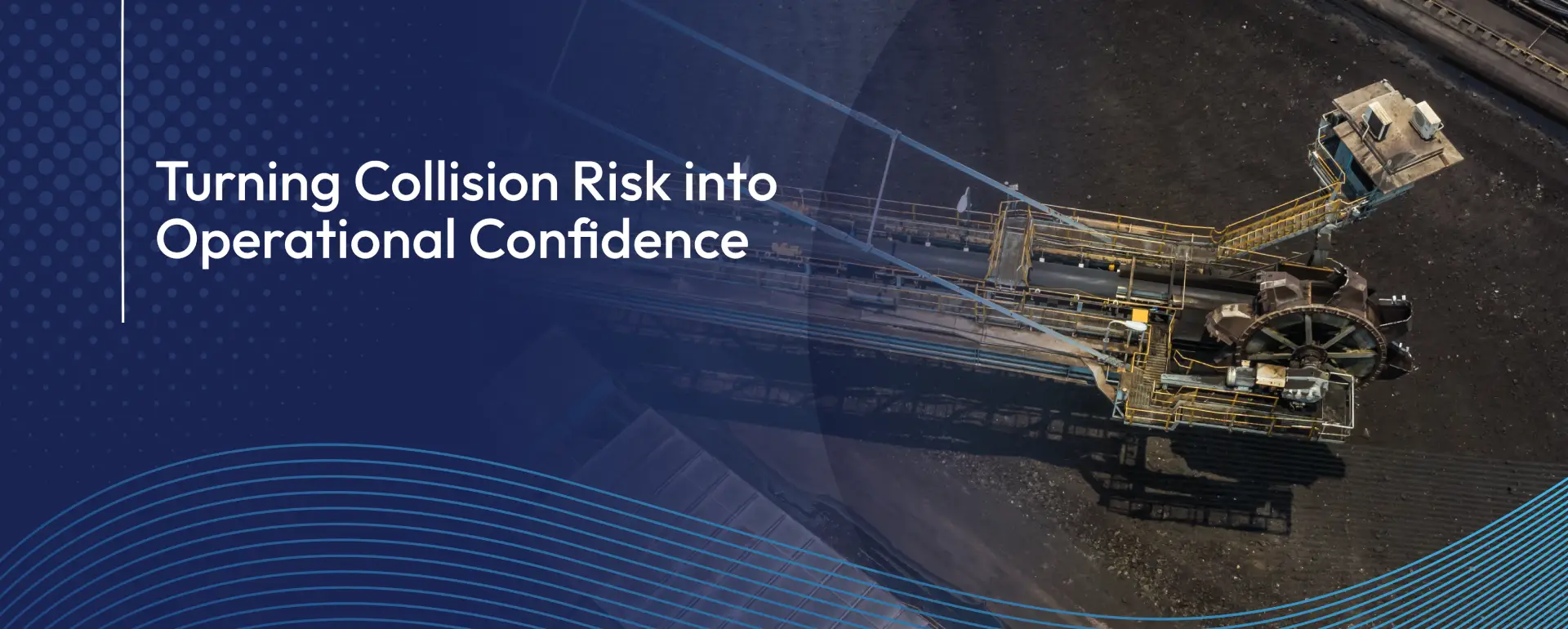
For example, in stacker reclaimers or heavy cranes, sensors detect nearby equipment and prevent overlapping movement. This preventive safety technology for machines reduces the likelihood of accidents in high-risk environments. 

Integration with Existing Systems

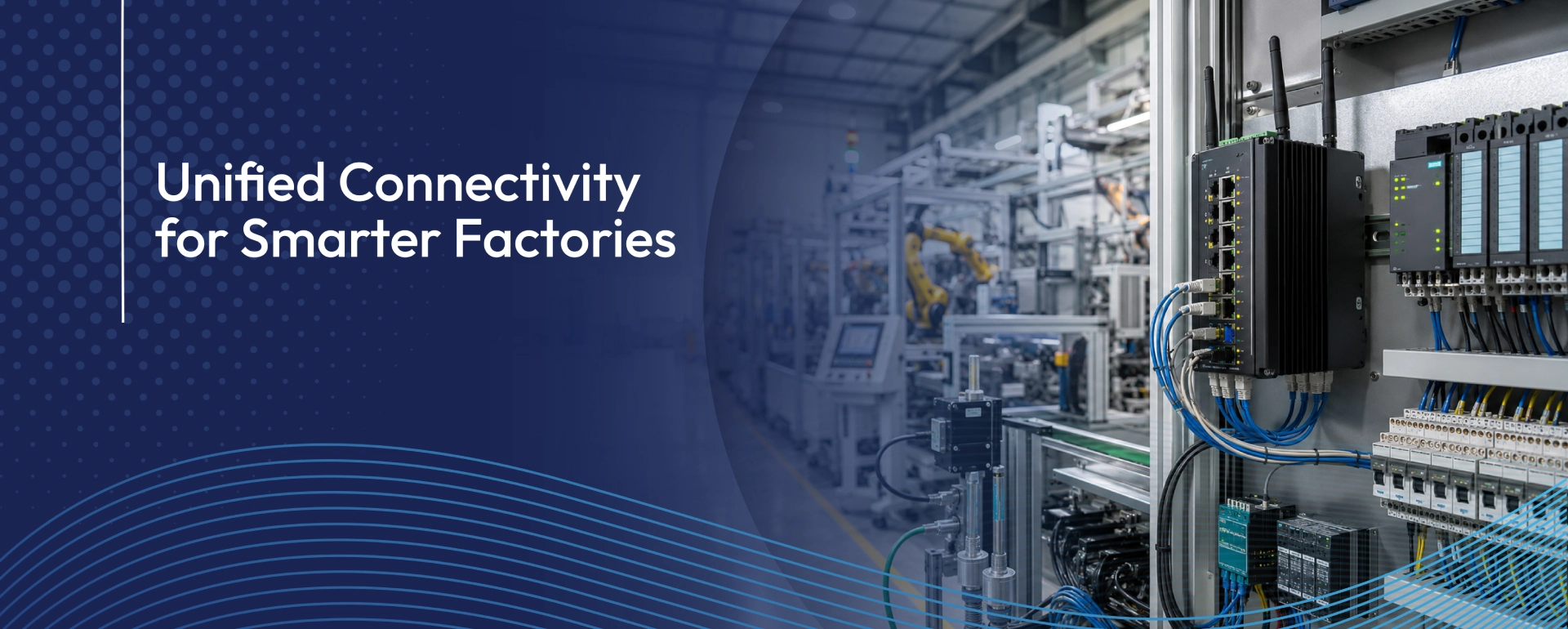
Modern machine protection systems are designed to integrate with existing industrial automation platforms such as PLC and SCADA systems. This integration enables centralised monitoring and automated safety response. Operators can receive alerts, monitor machine proximity, and control safety zones from a single interface. 

Sheetal Wireless’ industrial safety systems support seamless deployment in existing environments. These solutions can be added without major infrastructure changes, making them suitable for manufacturing plants, mining operations, and material handling systems. 

Advancements in Machine Collision Avoidance Systems

Artificial Intelligence and Machine Learning

Artificial intelligence is enhancing collision avoidance technology by improving detection accuracy and response time. AI-enabled systems analyze movement patterns and predict potential collisions before they occur. This allows machines to take preventive action instead of reacting at the last moment. 

For example, AI-powered machine collision avoidance systems can monitor traffic patterns in a factory and detect unusual movement. These systems learn from operational data and continuously improve performance, making them ideal for dynamic industrial environments. 

Edge Computing for Real-Time Decision Making

Edge computing is another major advancement in industrial safety solutions to prevent machine accidents. Instead of sending data to centralised servers, edge-enabled systems process information directly at the machine level. This reduces latency and ensures immediate response. 

When a machine approaches an obstacle, edge-based collision detection systems for machines can trigger instant alerts or automatic braking. This real-time response is critical in environments such as steel plants, mining operations, and automated warehouses. 

Autonomous Machinery and Vehicle Integration

Autonomous machines are increasingly used in mining, construction, and manufacturing. These systems require reliable machine safety solutions to operate safely without human supervision. Collision avoidance systems help autonomous vehicles detect obstacles and navigate safely. 

In mining environments, autonomous haul trucks rely on advanced machine collision avoidance technology for factories and industrial sites. These systems prevent collisions between vehicles, workers, and infrastructure, ensuring safe operations in busy environments. 

The Role of Collision Avoidance in Improving Operational Efficiency

Reduced Downtime and Increased Productivity

Collisions often result in equipment damage and operational delays. By preventing accidents, industrial safety systems help maintain continuous operations. This reduces downtime and improves overall productivity. 

For example, implementing preventive collision technology for manufacturing equipment in material handling systems prevents equipment overlap and ensures smooth movement. This leads to uninterrupted operations and improved workflow efficiency. 

Cost Savings and Return on Investment

Accidents in industrial environments can lead to repair costs, production losses, and medical expenses. Machine collision avoidance systems reduce these risks and improve return on investment. Organisations benefit from fewer repairs, reduced downtime, and improved operational reliability. 

Companies adopting industrial collision avoidance solutions often see significant reductions in equipment damage and maintenance costs. These savings make collision avoidance systems a long-term investment in safety and efficiency. 

Key Benefits of Machine Collision Avoidance Systems

Enhanced Worker Safety

One of the primary benefits of machine collision avoidance systems is improved worker safety. In environments where machines and personnel operate together, collision avoidance systems detect human presence and prevent accidents. This improves overall safety in industrial operations. 

Minimized Equipment Damage

Industrial equipment represents a major investment. Machine protection systems prevent collisions between machines, infrastructure, and materials. This reduces damage and extends equipment lifespan. 

Regulatory Compliance and Safety Standards

Implementing industrial safety systems helps organizations meet safety regulations and industry standards. Collision avoidance solutions support compliance with workplace safety guidelines and reduce liability risks. This is especially important in high-risk industries such as mining, steel, and heavy manufacturing. 

Repeaters in Warehouse and Logistics Operations

In large warehouses or logistics centersMotorola SLR 5300 repeaters extend reliable communication coverage, ensuring efficient inventory management and smooth coordination across the facility. When teams are spread across vast areas, SLR repeaters help improve communication reliability, making the operation smoother and more effective. 

Real-World Applications of Collision Avoidance Systems

Heavy Equipment in Industrial Environments

Collision avoidance systems are widely used in stackers, reclaimers, cranes, forklifts, and automated vehicles. These systems detect proximity and prevent overlapping movement. Best machine collision avoidance systems for heavy machinery are designed to operate in harsh industrial conditions. 

In steel plants and material handling yards, how collision avoidance systems improve industrial safety becomes evident through reduced accidents and improved workflow. 

Warehouse and Logistics Applications

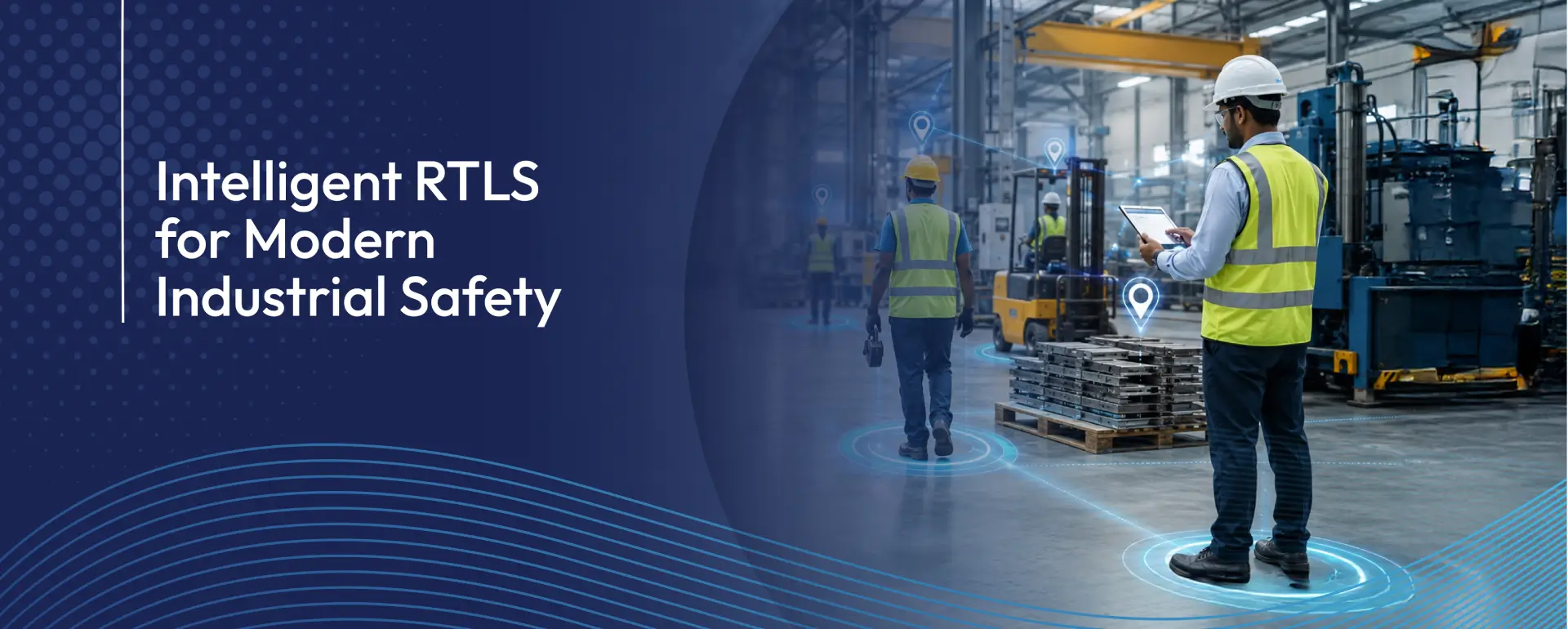
Warehouses and logistics facilities use automated safety systems to prevent collisions between forklifts, AGVs, and workers. Smart sensors monitor movement and create safety zones. This improves safety and reduces operational disruptions.

Future of Machine Collision Avoidance Systems

Smarter and More Autonomous Systems

The future of collision avoidance technology includes smarter sensors, predictive analytics, and autonomous operation. Machines will increasingly operate with minimal human supervision while maintaining high safety standards. 

With advanced sensing capabilities, industrial safety solutions to prevent machine accidents will become more accurate and adaptive. These systems will automatically adjust to changing environments. 

Integration with IoT and Industry 4.0

Collision avoidance systems are becoming part of Industry 4.0 ecosystems. Integration with IoT platforms allows real-time monitoring, predictive maintenance, and performance analytics. This enables better decision-making and improved operational efficiency. 

Connected machine collision avoidance systems provide data insights that help optimise workflows and enhance safety strategies. 

Choosing the Right Machine Collision Avoidance System

Factors to Consider

When selecting machine safety solutions, businesses should consider machinery type, operational environment, scalability, and integration requirements. Systems must be reliable, adaptable, and easy to deploy. 

Other factors include sensor range, response time, and compatibility with automation systems. The right industrial collision avoidance solution should match operational needs while ensuring long-term safety. 

Sheetal Wireless Machine Safety Solutions

Sheetal Wireless provides advanced machine collision avoidance systems designed for industrial environments. These solutions include proximity sensors, smart detection technology, and integrated safety monitoring. Designed for heavy machinery and automated systems, these machine protection systems enhance safety and operational efficiency. 

Conclusion

Industrial environments require proactive safety measures to prevent accidents and ensure smooth operations. Machine collision avoidance systems play a critical role in protecting workers, reducing downtime, and improving productivity. With advancements in AI, edge computing, and IoT integration, collision avoidance technology is becoming essential for modern industrial operations. 

Sheetal Wireless delivers reliable industrial safety systems designed to prevent machine collisions and improve operational efficiency. Ensure your machines are equipped with advanced collision avoidance solutions for safer and more efficient industrial operations. Contact Sheetal Wireless today to learn how to enhance safety across your facility. 

Related Blogs